Bathroom Shelf Ideas for Your Shower and Bath Corner
The best bathroom shelf ideas start with one question: where should the shelf actually go? A shelf for bathroom storage only works if you can reach it comfortably, it stays out of the spray, and it suits the people who use the shower every day. Get the spot wrong and you’ll be stretching, splashing, or staring at clutter. Get it right and the corner of your shower or tub becomes some of the most useful storage in the room. Here’s how to choose that spot, one factor at a time.
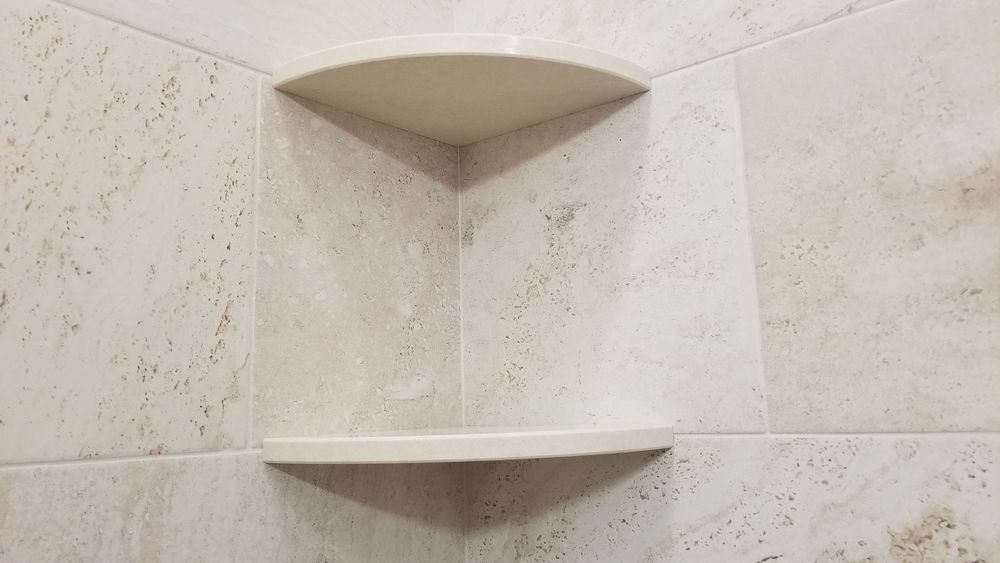
Where Is the Best Spot for a Shelf in a Shower or Tub Corner?
For most showers, the best spot is a corner on the wall away from the showerhead, set between waist and chest height. That lets you grab shampoo or soap without reaching through the spray, and it keeps the main wall clear for the showerhead and controls.
Most placement guides treat comfort as the test. Shelves should sit around waist level or slightly higher so you can reach them without stretching or bending, and mounting them too high or too low is one of the most common mistakes. Corners are a smart default because they usually sit empty, and a shelf there won’t crowd the space around the showerhead. In a tub-and-shower combo, the back corner is a natural starting point.
How Do Accessibility and User Needs Change Where a Shelf Should Go?
Place the shelf for the people who use the shower most. Adults generally reach comfortably between waist and shoulder height, while children, shorter users, and anyone seated on a shower bench need lower storage. A household with mixed heights can stack two shelves so everyone reaches their own products.
- Standing adults: keep the shelf between waist and chest height so nothing requires stretching or bending.
- Seated showers: put a shelf within arm’s reach of the bench so body wash and towels stay close.
- Kids and shorter users: add a lower shelf for the products they use every day.
- Safety: keep shelves out of the direct water path and away from spots where someone could bump into them.
How Does Shower Size Affect Shelf Placement?
Small showers usually need just one or two well-placed corner shelves, while larger showers can handle a stacked pair or a longer run along one wall. Too many shelves make a compact shower feel cramped, so start with one and add another only when you truly need the space.
Spacing matters as much as height. Leave enough room between stacked shelves for your tallest bottle, and avoid placing a shelf where water is aimed straight at it, since constant wetness invites mildew.
How Can You Test a Shelf Location Before You Commit?
Tape it up first. Stick a strip of painter’s tape or a cardboard template where you plan to put the shelf, then step into the shower and go through your normal routine. If the shortest and tallest users can both reach it without stretching or stepping into the spray, the spot works.
With a retrofit shelf, this test matters even more. GoShelf anchors along your existing grout lines, so choose the horizontal grout line closest to your ideal height and measure from the inside corner. If your tile is patterned, draw a level line at your target height instead, and let an experienced tile setter make the cuts.
Which Bathroom Shelf Ideas Make a Shower Look Better?
Keep the look simple. One shelf at chest height reads as clean and minimal, while two stacked shelves in the same corner look built in. A stone shelf that matches your tile, or contrasts with it on purpose, feels like part of the design instead of an add-on.
Placement affects style, too. Lining a shelf up with a horizontal grout line makes it look like it belongs to the tile layout. If your tile runs in a diagonal or herringbone pattern, plan the shelf height around that pattern before you settle on a spot.
How Does GoShelf Make Shelf Placement Easier?
Because GoShelf installs onto finished tile, you can choose the height after you’ve stood in the shower and tested it. There’s no need to plan the shelf into a new build or open the wall, so it can go exactly where it works best.
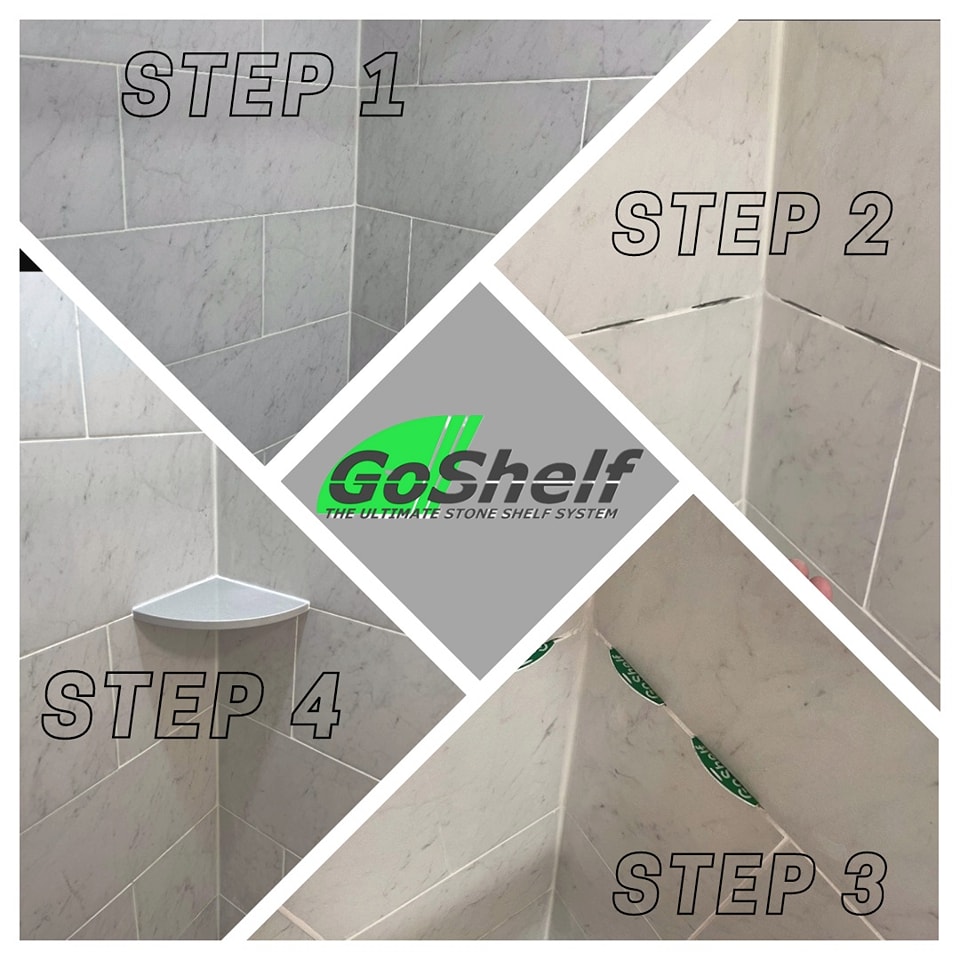
GoShelf was invented by Ian Stefenack, a tile contractor with more than 20 years of experience who had installed plenty of corner shelves the slow way. Our shelf mounts by removing a small section of grout, setting four anchoring plates with glue, and sliding the stone shelf into place, with no tile removal. Our installation instructions walk through marking your height along a horizontal grout line, and our stone guide for a small bathroom corner shelf goes deeper on tight spaces.
Ready to put a shelf where you’ll actually use it? Browse the GoShelf System, available in 17 stone finishes.
Key Takeaways
- The comfortable zone for most shower shelves sits between waist and chest height.
- A corner away from the showerhead keeps products reachable without stepping into the spray.
- Households with kids, shorter users, or a shower bench benefit from a second, lower shelf.
- Small showers usually need one or two shelves, and extra shelves can make the space feel cramped.
- A shelf that installs on finished tile lets you test and choose the height first.
FAQ
How high should a shower shelf be mounted?
Most guides put the comfortable range between waist and chest height. Adjust slightly for the shortest regular user, and add a lower shelf if children or a shower bench are involved.
Can I add a shelf for bathroom use if my shower is already tiled?
Yes. A retrofit system like GoShelf mounts to existing tile by removing a small channel of grout, so you don’t have to remove any tile.
How many shelves does a small shower need?
One or two well-placed corner shelves are usually enough. Add a second only if you have products that don’t fit on the first.
Should a shelf go near the showerhead?
Place it toward the side or back wall instead, so you can reach products without stepping into the spray and the shelf isn’t constantly soaked.